Categories
Uncategorized

The aftereffects of reality TV

Television provides its viewers with a form of escapism from the real, sometimes by way of introducing them to a new real. That’s right, I’m talking about reality TV. As part of our research for our final project, my group agreed to watch an episode or two of The Circle on Netflix. I, however, watched the first season within a week. I’ve always been a reality TV naysayer, but something about The Circle had me hooked and I’m trying to figure out just what exactly this thing is. 

On The Circle, contestants cannot see or hear each other, but communicate via a faux social media platform, ranking each other each night. Ultimately, one player gets blocked, aka sent home, until there are only a handful left. Maybe it is because of the pandemic, or maybe it is just because this is just what communication looks like these days, but I found this to be a surprisingly relatable show…to some extent.
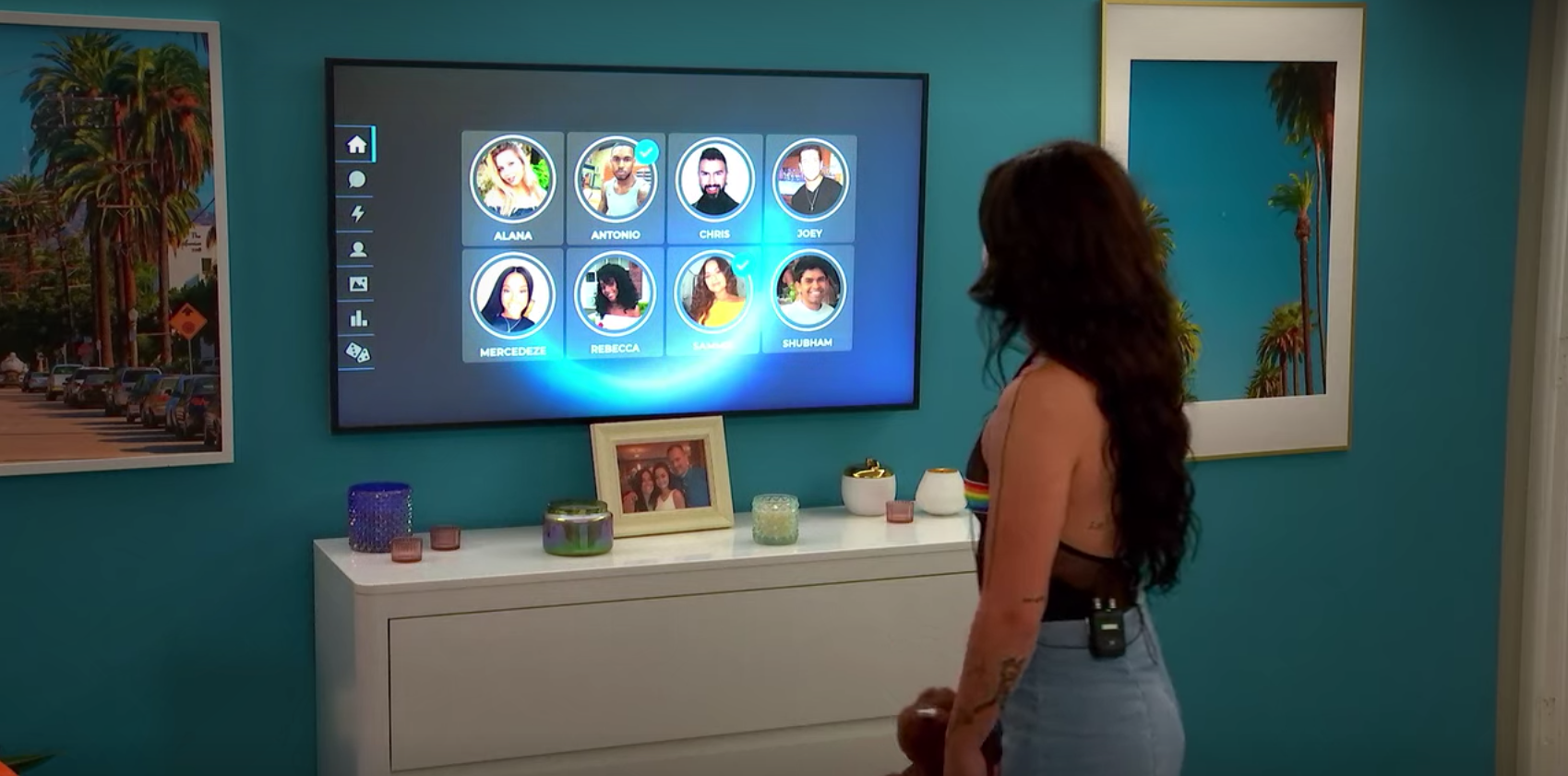
After watching a few episodes one night, I (finally) turned off my laptop and picked up my phone to respond to my friends’ texts. While I was typing, I noticed that I was doing so with the mindset of being on The Circle. At first I was concerned and slightly horrified by this, but now I’m not so sure if my caution was a bad thing. Gray makes the point that we are living in a textual world (3). Our phones give us direct access to these texts, a level of accessibility that enables us to go through our days without actually considering the hidden messages media sends to us via Instagram, Twitter, and the news, let alone our interaction with these texts via our own actions. 

When I was replying to my friend, I was very aware of the text that I was sending and how the message/intended tone was going to impact the receiver’s perception of me. The Circle 100% stimulated this response from me which supports Gray’s first form of intertextuality: influence. Influence, he argues, is a one-way interaction where texts affect us to the point that our future actions will be influenced by the original text (4). For me, watching The Circle altered my perception of social media and how I use it in my personal life, but I cannot use that lens to analyze The Circle itself. Despite The Circle’s access to my home and life via Netflix, it will always remain a distant, intangible thing.
Categories
Uncategorized

The effect of a fanbase

I have finally joined the Doctor Who bandwagon. I watched, and enjoyed, the first few seasons in high school, but once the show was taken off Netflix, I quickly fell out of touch with it. Despite the “accessibility” of streaming services, it wasn’t until I was aimlessly scrolling through HBO Max the other night that I found Doctor Who listed and decided to jump back in. I first started watching Doctor Who because I love all things fantasy and sci-fi, and throughout the first few seasons (referring to the 2005 reboot), I received exactly that: a man travels through space and time facing new and exciting obstacles in each episode, all with his love interest by his side. 

Doctor Who, however, has one of the largest television fandoms and the opinions and desires of these fans have had a large impact on the show since its release 16 years ago. Within the past few seasons, the attempts by the show’s producers to adapt to their audience’s growing size and diversity has become more than apparent. Though there is still some work to be done in introducing minority characters in a natural way, there is undoubtedly more representation – both with gender and race – than there was in the earlier seasons.

This shift, as Jason Mittell discusses in “A Cultural Approach to Television Genre Theory”, represents the shift in genre characteristics due to cultural changes. Fans play a major role in this process, as fan accounts and social media threads give them platforms to transform shows, rather than continue to affirm current storylines. Ultimately, these shifts result in a general genre hybridization, where all of the cultural elements fans express interest in merge into one.

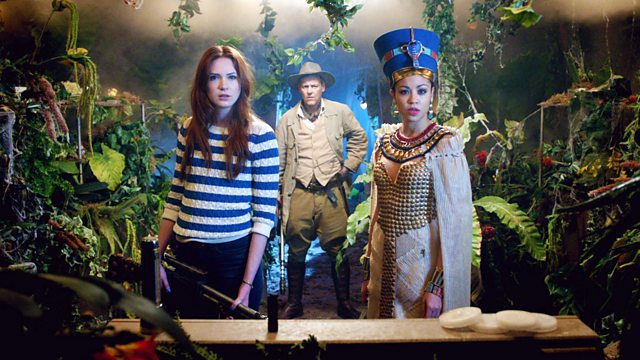
The most recent episode of Doctor Who that I watched exemplifies this convergence. The episode has sci-fi, horror, humor, and romantic components all within the hour runtime, but the most modern message lies in Amy Pond’s agency. The Doctor refers to both Amy and her husband as Pond, which is her maiden name, putting Amy in the dominant position in their relationship. This is directly juxtaposed by Queen Nefertiti’s treatment by the episode’s antagonist. He constantly refers to her as a “possession” that “needs breaking in”. The Doctor and his companions ultimately rescue Nefertiti, but the overall female prominence in this episode defies the previously dominant masculine subculture of Doctor Who. Instead, the show’s female audience is acknowledged, an audience that comprises a large portion of the evolving culture surrounding the traditional sci-fi genre.

Categories
Uncategorized

The (frightening) reality of TV

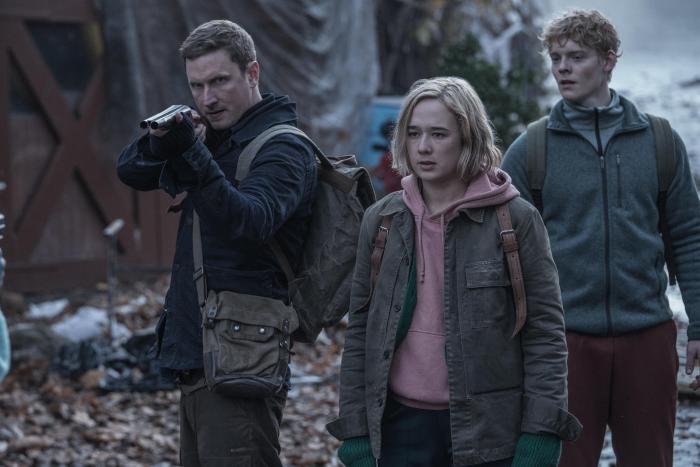
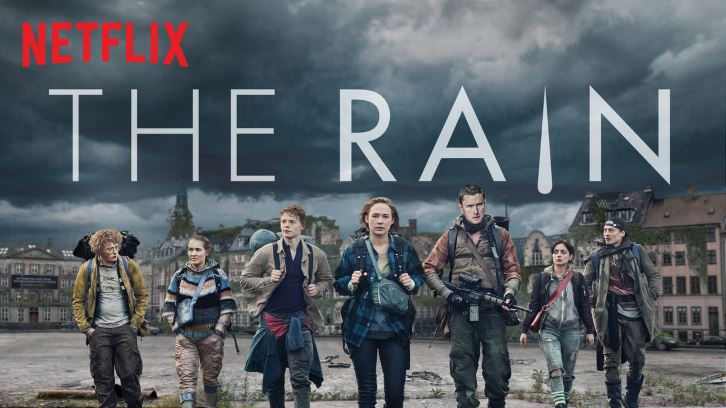
At the time of its release in 2018, the Danish Netflix Original, “The Rain”, was a flop among critics. The primary criticism of the show was that it added nothing new to the dystopian, sci-fi genre. I understand this critique, as the premise of the show is a group of adolescents holding the key to saving the world from a deadly virus that spreads through the rain, but extracting the cure means killing one of their own. This is a frequently overdone conflict, but at the time of the show’s encoding, the writers could have had no idea that the reality in “The Rain” would one day be our future.

Watching this show amidst a global pandemic, I respectfully disagree with the two year-old articles claiming the show’s blandness. In scenes where government officials wear masks while swabbing people’s mouths for antibodies, I don’t see a poorly developed fictional world, but rather a show that could be the shorthand version of Contagion or, more frighteningly, a nightly news update on COVID-19.

In 2018, these connotations were nonexistent in the decoding of the show, unlike their undeniable presence during my own decoding today. Therefore, it is understandable that the messages understood by viewers were more mainstream. The dominant 2018 reading of “The Rain” is maintaining personal morals at the expense of others. The protagonist, Simone, expresses this reading as she prevents her friends from killing those chasing them, and refuses to turn in her brother, Rasmus, even though he holds the cure. As Simone develops in Season 2, she also portrays the negotiated reading of this text: at what point does survival overtake your personal beliefs? Despite her high moral ground, Simone shoots and, ultimately, kills someone in a panicked moment of protecting her brother.

Finally, the oppositional reading would be to simply sacrifice Rasmus, an individual, for the good of humanity. If this was the intended dominant reading, the encoding stage would have looked very different. The characters would’ve been developed in an entirely new framework, in which their morals were substituted with cold, heartless exteriors.

Watching this show with 2021 eyes is honestly difficult. After the first 15 minutes of Season 1, Episode 1, I wasn’t sure I would be able to keep watching the show. After a few days, however, I found myself drawn back to the show. I wasn’t sure why, at first, because I’ve been finding relief from the pandemic in lighthearted sitcoms, recently. I realize now, though, that I don’t know when the COVID-19 pandemic will come to an end or what that end will look like, but, with “The Rain”, I know that there will undoubtedly be a resolution.

css.php