Categories
Uncategorized

Influential Reading

After doing some deeper thinking about the topic of my group’s final project I began to reflect on how encoding and decoding behave in this new age of online entertainment. I mainly focused my efforts on understanding how the decoding process has changed through online discussion, reaction channels, theory channels, etc. In particular, I love watching theory channels on Youtube, it allows me to rewatch old shows/movies through a different lens. However, I find myself decoding the text in different ways than I did the first time around, all of a sudden things have different meanings. Yet at the same time I am aware that I did not formulate that reading on my own, instead this new reading was achieved through influence from someone else’s interpretation of the text.
So where does that put me in the context of decoding? Do I still hold a dominant reading because that is what my individual interpretation of the text is? Or do I hold an oppositional reading of the text because I am choosing to go in a completely different direction with the new ideas I gathered from someone else’s negotiated reading?
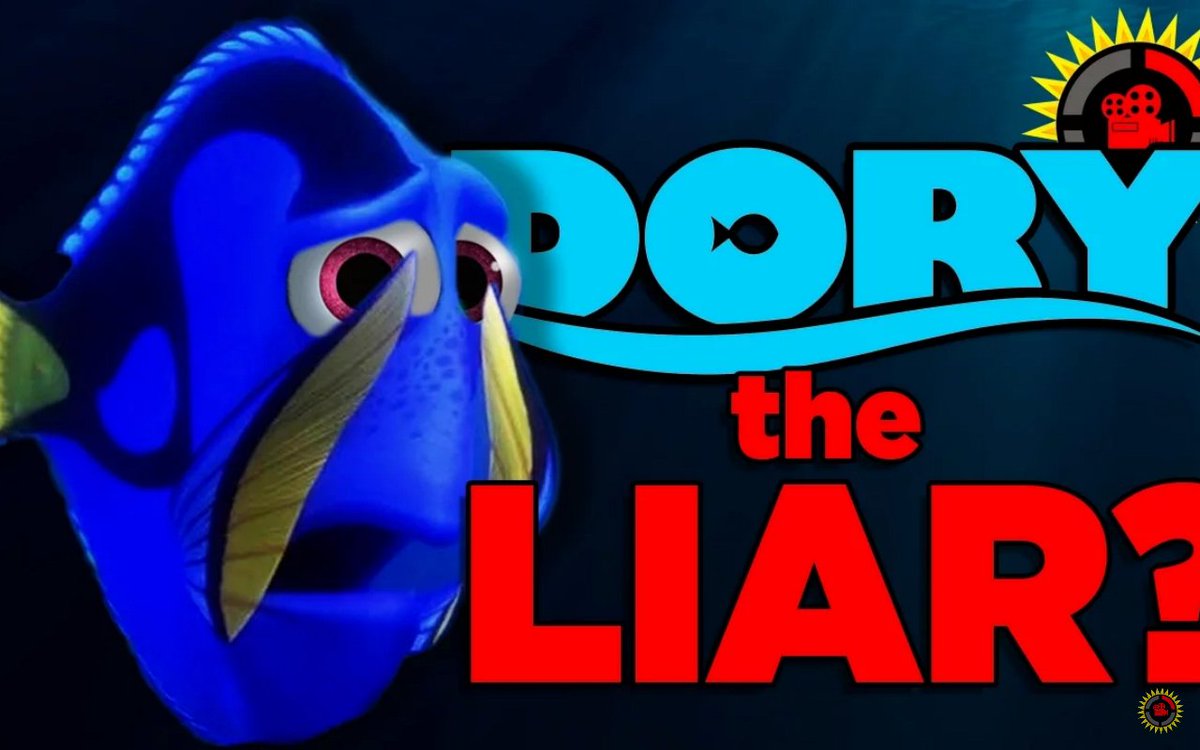
The placement of my interpretation becomes really complex when we take into account that I am decoding the text through someone else’s decoding of that same text. The inclusion of this theory channel in my decoding process makes the act of decoding a whole lot more complex. Before watching the video from this channel I held a dominant reading but now my reading has changed as a direct result of the theory channel. I like to think of this as a new type of reading, an influential reading one could say. As the world becomes more distanced from reality and moves onto a virtual platform people are becoming more distanced from each other. The lack of a defined programming structure results in people not watching the same shows at the same time as their friends. This leads to them looking for places to discuss their views, such as online threads, Youtube videos, blogs, and many more. Sometimes this leads to people, like me, who are influenced by the ideas of others and, due to easily accessible media, they are able to rewatch that show with a plethora of new perspectives.

I like to think that this new reading is isolated from the original reading much like secondary, yet unique, reading. At the same time though, I am able to make my own new ideas through this new lens. I like to think about it like borrowing someone’s notes from class, going to class with those notes, and adding on stuff they may have missed or going deeper on certain sections. The main takeaway is, decoding has become a whole lot more complex and is evolving along with television. 
Categories
Uncategorized

Intertextuality in Family Guy Star Wars

When I think of intertextuality, the main example that comes to mind is the animated comedy shows like South Park, Family Guy, American Dad, etc. The main draw of these shows is that they connect to and make fun of real life events or people. For example, season 24 episode 1 of South Park that deals with the characters going through the COVID-19 pandemic.

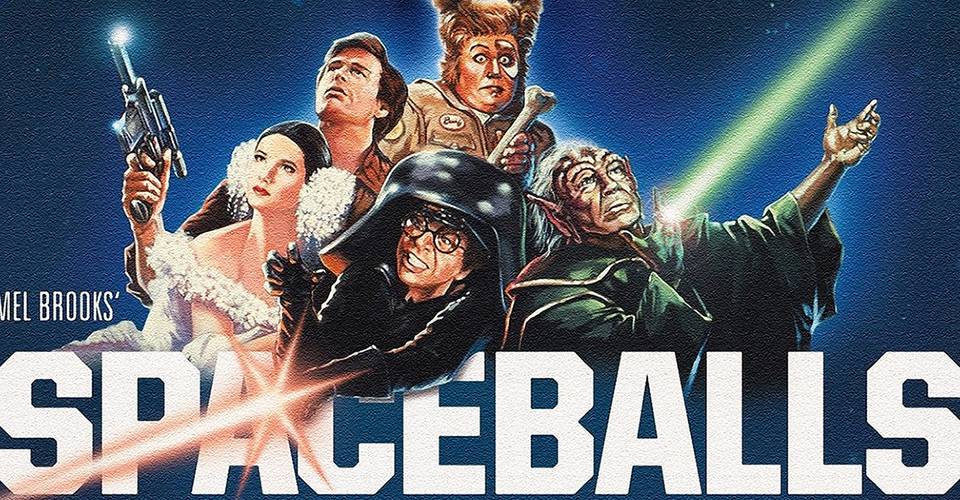
Occasionally though these shows will do a sort of parody of other popular franchises. My favorite example of this is the Star Wars family guy specials. On the surface the special might just seem like a straight parody of Star Wars: A New Hope but in reality the intertextuality of the episode draws from other parodies of the same movie. Take Stewie for example, who has a comically large Darth Vader helmet as a nod to another Star Wars parody: SpaceBalls.

Another layer of intertextuality is added with all the references to events that occurred on set of the Star Wars Episode IV. Louis Griffin as Princess Leia exclaims that she is not wearing underwear,  many Star Wars fans are aware that Carrie Fisher did not wear underwear on the set of the movie because George Lucas told her that no one wears underwear in space. It is intertextual connections like this that take the Star Wars special from being a parody to something much more complex. There are several layers of connections present, much deeper than just a straight satirical copy of the events of A New Hope.

Categories
Uncategorized

It really is just brand management.

Whenever I play a really low budget iPhone game I always get lots of ads for other games that seem really cool but in reality are just as cheap and boring as the game I am currently playing. One of my favorite ads to see is a survival game that is set in the universe of The Walking Dead(TWD). As a fan, I think it is really cool to be able to interact with the TV characters through a virtual environment on my phone. The ad makes sure to mention that you can “team up with Rick and the gang” so it seems like that aspect of the game is very appealing to Walking Dead fans like me. I’ve always wanted to get into these games but I’ve heard from others that they are very time consuming and always incentivize spending money. This got me thinking, how much money does TWD make from video games?

I looked up the numbers but I could find the profit for one game called “Walking Dead: The Game” which made $40 million dollars in its first year of release. An article I read on COMPLEX stated that TWD makes around $8 million on their season premiere episode, which is their highest earning episode every season. If every episode made as much as the premiere episode, then TWD would gain $96 million every year. When comparing this to the one game that makes $40 million a year it seems like a lot more is being earned by the main series show. However, TWD has more than 12 games on the AppStore and plenty of other games on PC, Xbox, Playstation, etc. Even if the other eleven games on the AppStore made half as much money as “Walking Dead: The Game”, it would still be over $260 million which is considerably more than $96 million. Now I ask myself, is TWD really a television series? Or is it just a brand that has expanded its way onto video games, toys, arcades, spin-offs, books, and many more.

css.php