It might seem strange, but I enjoy watching a fair amount of television geared towards younger audiences, however, I only seem to enjoy older shows like Arthur, Star Trek: The Next Generation, Curious George, etc. In large part this is due to nostalgia, but I also feel that there might be something more tangible in these older productions that’s lacking from contemporary childrens television.
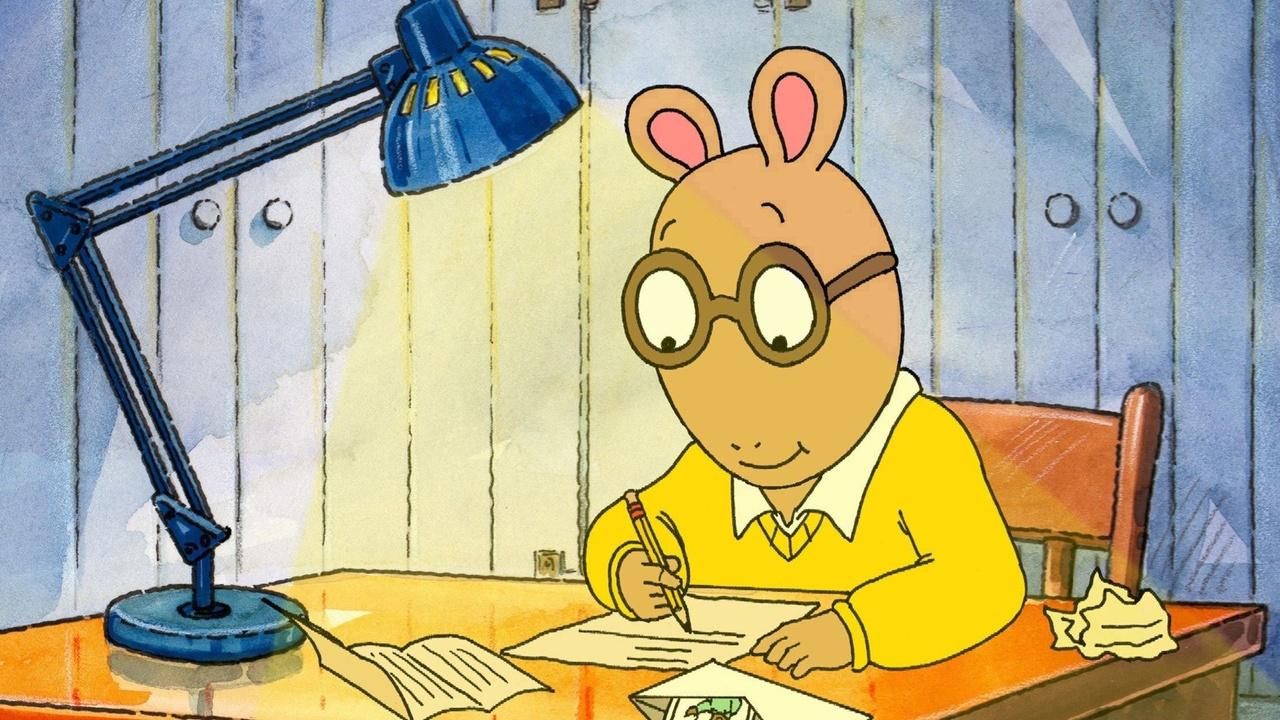
Arthur and Star Trek in particular are notable for their willingness to address contemporary issues, and wrap them up in a readily consumable package for a younger audience. Star Trek is perhaps less “on-the-nose” as they frequently can “abstract” these issues through the lens of a futuristic society in a seemingly endless universe. Arthur however also manages to tackle these issues in a slightly more direct way, while still abstracting to a degree (after all, it is a show about a collection of anthropomorphized animals). But what makes these shows feel genuine where todays telivision feels…. perhaps contrived?
On a formal level, the switch from hand-drawn to computer-animated characters has a large impact on my reception of the show. You can feel the care and attention to detail in a show like Arthur, where every frame was meticulously hand-drawn by an artistic team. In contrast, something like “paw patrol” (which apparently is huge for kids right now) feels… cheap, engineered, inauthentic. But children still enjoy it! Producers and independant content creators took note of childrens enthusiasm for these animated characters, which has lead to a bizzare new world of cheap animated shorts on YouTube.
This highlights the biggest shift in childrens telivision in the past decade – the transition from telivision to simply entertainment. This shift has occured for adult audiences as well, as we move away from the TV set instead opting for netflix or youtube, however children and childrens entertainment are much more perilous and perhaps impactful than their adult counterparts. This shift away from television has decentralized any sort of accountability for what children are watching. Before the internet, the solution to making sure your kids weren’t watching “adult” television while you were gone was hiding the remote, but even then the worst thing they could stumnle across was garbage reality TV. Now, there’s an entire world of content online, none of it has to be approved to be shown like on television, no single company is responsible for most of the content on youtube, they ultimately care about getting views, and have no incentive for deep meaningful or even ethical productions.
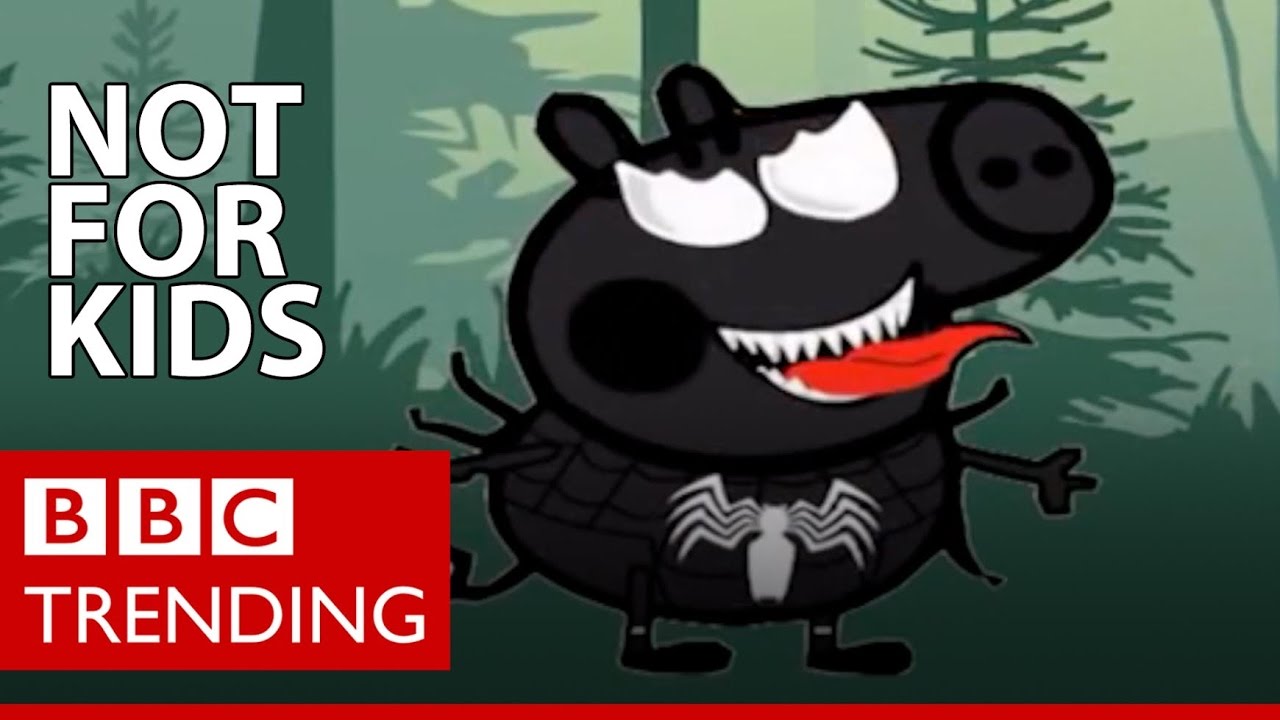
There are countless youtube channels that make terrible knockoff cartoons, plagarizing existing shows and capitalizing on the “trust” built by the original program. This is concerning because many parents don’t even know the difference, they just let their children passively consume content from these channels on youtube, believing them to the official streams of shows like Peppa Pig or Paw Patrol, when in reality they’re rushed shorts that – beyond lacking the production quality or “weight” of the real show – are often traumatizing to children that watch them.
Even the youtube channels geared towards childrens entertainment that aren’t just ripping off already-established shows, have problematic structures that lead to concerns of ethics and intent. The recent trend of “surprise eggs” for instance demonstrates just how impressionable children are, and frankly how little stimulus is needed to get them hooked. “Surprise Egg” videos make use of intermittant reward cycles, much like a casino, to keep children engaged, dying to see the big reveal, then begging their parents to go spent $40 on one for themseslves. There’s a reason why children aren’t allowed in casinos. There are countless adults with fully developed brains who just can’t leave the table, how is a child with an underdeveloped brain (particularly the prefrontal cortex, which is responsible for executive functioning, self regulation, and logic) supposed to understand the nuances of gambling and reward?

Recently the EU moved to ban microtransactions and “loot boxes” in childrens video games, because time after time it’s been demonstrated that children don’t understand the cost/reward. It’s quite literally gambling with their parents money.

This is getting a little off topic, but I hope I’ve started to address some key shifts in childrens television and entertainment that I’ve noticed in these past couple years. Of course it’s hard to be objective in this situation, and I’m sure that my parents felt much the same way about me, and my grandparents felt the same way about them. How much of this is just new conventions, new technology, the start of a new era in childrens media? It’s hard to say… but with the shift away from TV itself, I feel that there is a large enough transition that it needs to be addressed, it can’t just be seen as another new phase of entertainment, it’s an entirely new system, and we need to have some safeguards in place. The first step frankly, is educating parents and making sure they’re tech-literate.
