Categories
Aesthetics Killing Eve Spy Thiller

If Looks Could Kill: The Ethics Behind The Fashion in Killing Eve

Type ‘Killing Eve‘ into Google and you’ll get everything: Twitter-based controversies over queerbaiting; fashion breakdowns in Vogue; video essays on the history of psychopathy and investigation.

For those unfamiliar, the show focuses on Eve Polastri, a bored American MI5 worker, who is assigned to track down the talented, psychopathic assassin Villanelle. As the chase progresses, the two develop a mutual obsession. The presentation of the cat-and-mouse relationship between an investigator and criminal is used as a site to explore conventional social morals. Since this form of storytelling has often been dominated by masculinity, Killing Eve portrays the classic assassin genre in a new light, with dynamic, female leads. Despite being complete opposites, both the protagonist and antagonist are successful yet flawed, dismantling the stereotype of the “perfect women”.

Major themes within this female-led dual narrative can be displayed through the fashion choices of Eve and Villanelle. Throughout the show, Eve describes herself as liking to observe others but not interested in being seen. This can be manifested in the style of her clothes, which tend to be simple and particle, consisting mostly of dull colors. Her fashion can be interpreted as defiance towards the male gaze, rejecting a prominent characteristic of many women portrayed in mainstream TV.

In contrast, Villanelle enjoys being observed by others, but on her own terms. Her fashion sense is bright, loud, and attention-seeking. Despite looking like she just stepped out of a magazine, her entire identity doesn’t revolve around her sexuality and physical appearance. She finds power in knowing she is beautiful but also knowing she is intelligent and can use her mind to manipulate everyone around her. Tailored suits are an iconic part of Villanelle’s style, clearly displaying both her power and the reversal of traditional gender roles in media.

The obsession between Eve and Villanelle is also largely played out with clothes, potentially indicating the presence of a female gaze within Killing Eve. An example of this is when Eve travels to Berlin following a lead, Villanelle steals her suitcase and replaces the contents with brand new, decadent garments. This can be interpreted as an attempt by Villanelle to manipulate Eve into understanding her own beauty. Eve is being seen, but she is being seen by another woman.
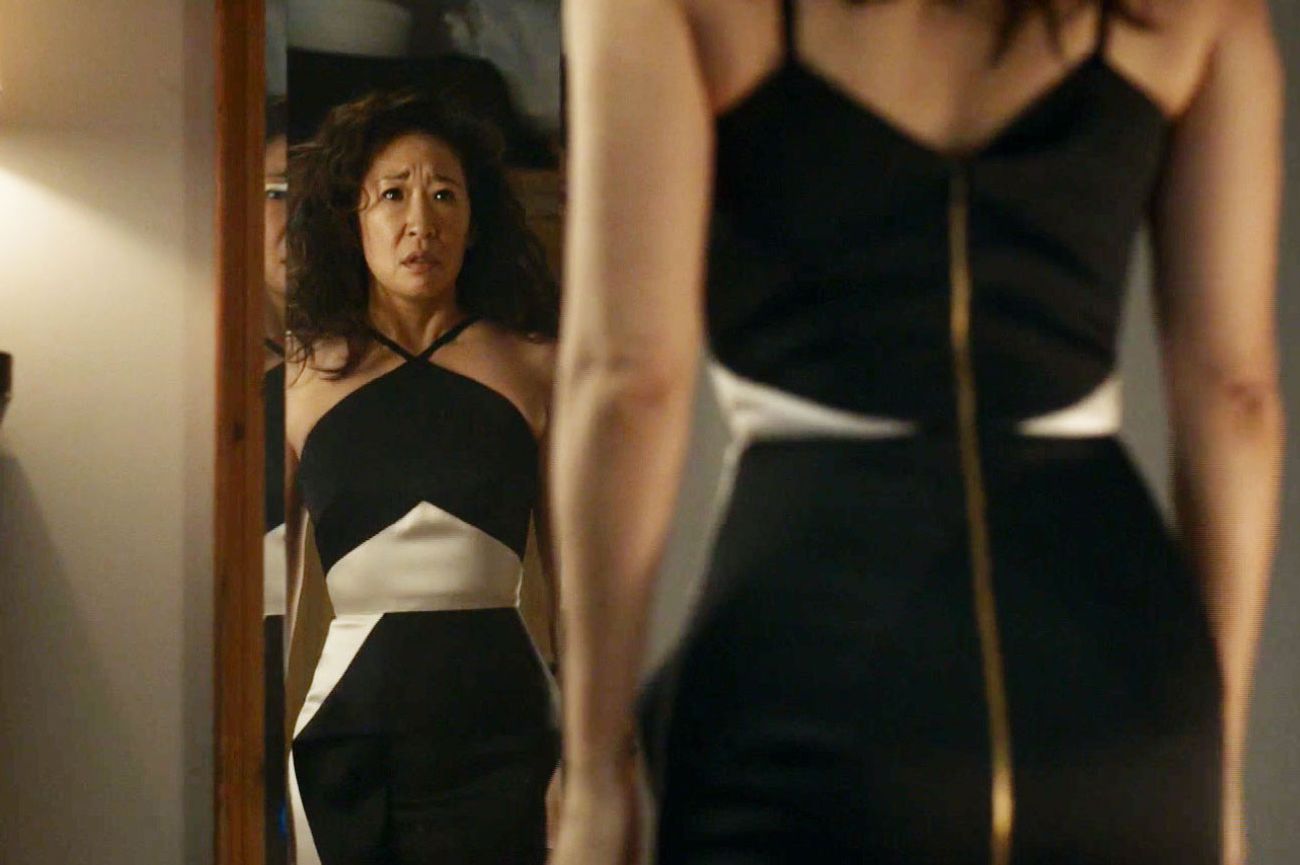
The relationship between the main characters and their fashion displays the way in which TV can be simultaneously aesthetic and ideological. The audience has the opportunity to find deeper meaning in both Eve and Villanelle’s clothing, visually indicating how the foundation of the show is from a distinctly female perspective.
Categories
Uncategorized

A Transition from Childrens Television to Childrens Entertainment

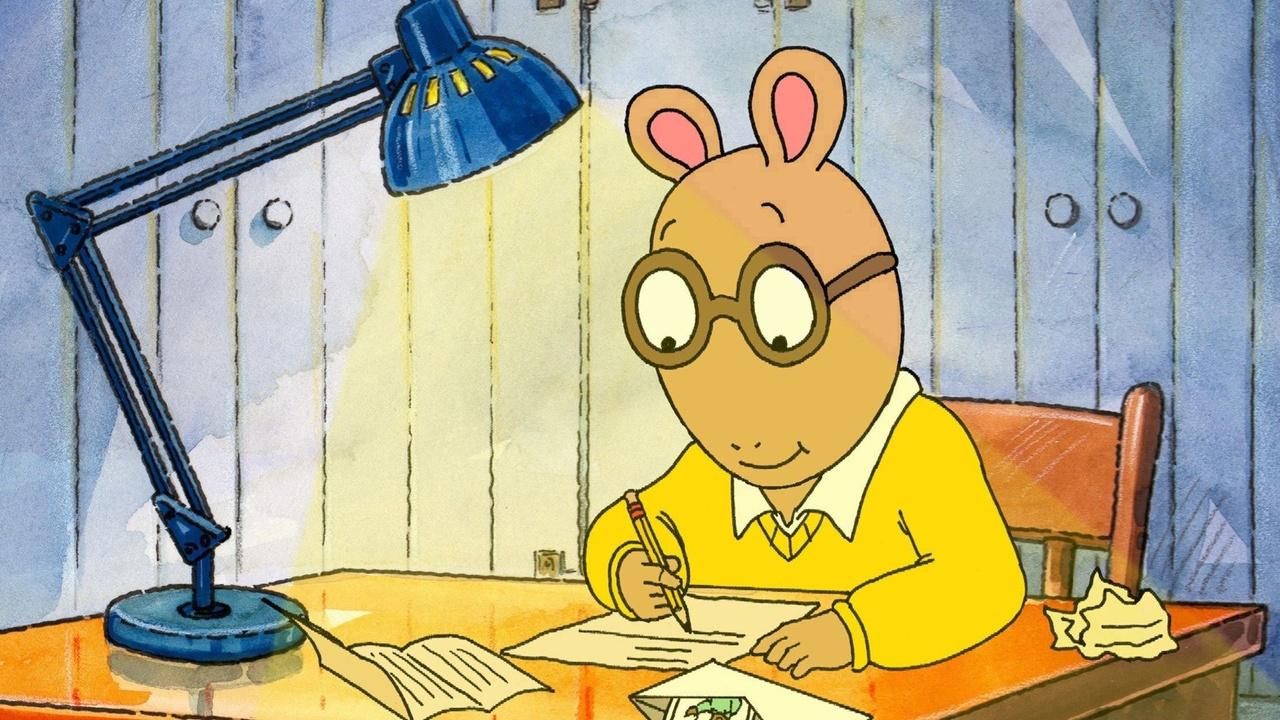
It might seem strange, but I enjoy watching a fair amount of television geared towards younger audiences, however, I only seem to enjoy older shows like Arthur, Star Trek: The Next Generation, Curious George, etc. In large part this is due to nostalgia, but I also feel that there might be something more tangible in these older productions that’s lacking from contemporary childrens television.

Arthur and Star Trek in particular are notable for their willingness to address contemporary issues, and wrap them up in a readily consumable package for a younger audience. Star Trek is perhaps less “on-the-nose” as they frequently can “abstract” these issues through the lens of a futuristic society in a seemingly endless universe. Arthur however also manages to tackle these issues in a slightly more direct way, while still abstracting to a degree (after all, it is a show about a collection of anthropomorphized animals). But what makes these shows feel genuine where todays telivision feels…. perhaps contrived?

On a formal level, the switch from hand-drawn to computer-animated characters has a large impact on my reception of the show. You can feel the care and attention to detail in a show like Arthur, where every frame was meticulously hand-drawn by an artistic team. In contrast, something like “paw patrol” (which apparently is huge for kids right now) feels… cheap, engineered, inauthentic. But children still enjoy it! Producers and independant content creators took note of childrens enthusiasm for these animated characters, which has lead to a bizzare new world of cheap animated shorts on YouTube.

This highlights the biggest shift in childrens telivision in the past decade – the transition from telivision to simply entertainment. This shift has occured for adult audiences as well, as we move away from the TV set instead opting for netflix or youtube, however children and childrens entertainment are much more perilous and perhaps impactful than their adult counterparts. This shift away from television has decentralized any sort of accountability for what children are watching. Before the internet, the solution to making sure your kids weren’t watching “adult” television while you were gone was hiding the remote, but even then the worst thing they could stumnle across was garbage reality TV. Now, there’s an entire world of content online, none of it has to be approved to be shown like on television, no single company is responsible for most of the content on youtube, they ultimately care about getting views, and have no incentive for deep meaningful or even ethical productions.

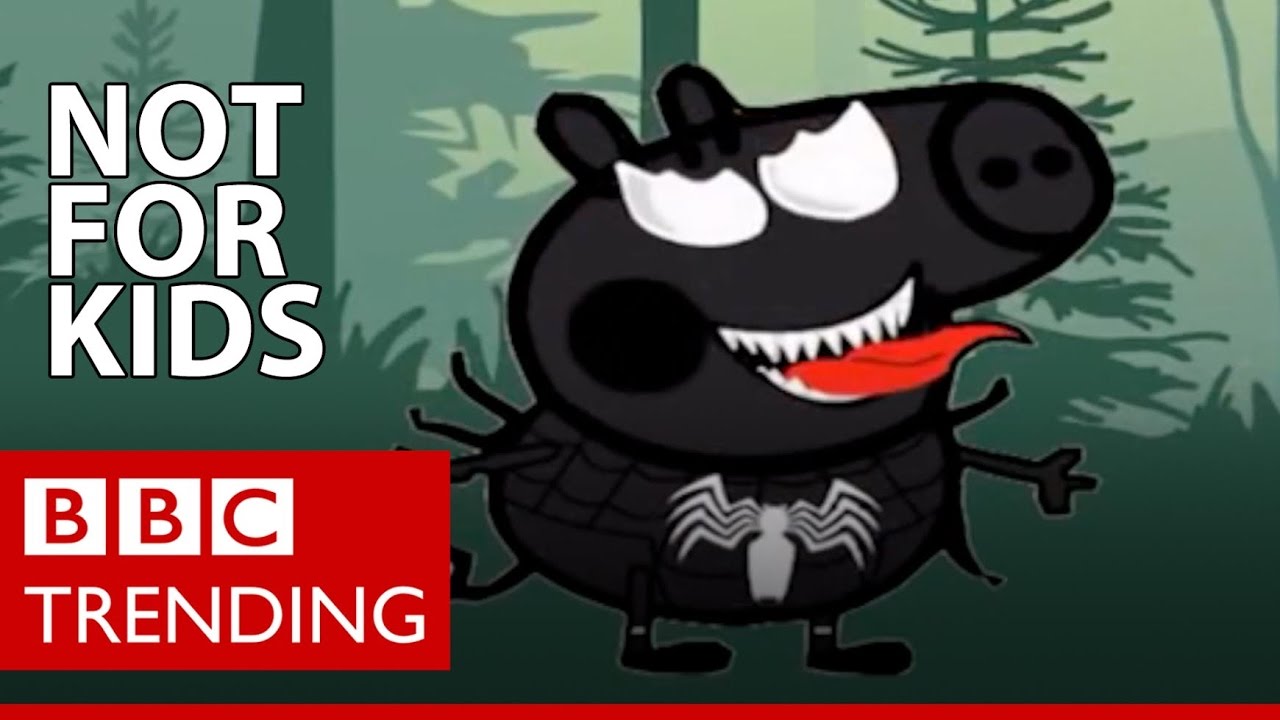
There are countless youtube channels that make terrible knockoff cartoons, plagarizing existing shows and capitalizing on the “trust” built by the original program. This is concerning because many parents don’t even know the difference, they just let their children passively consume content from these channels on youtube, believing them to the official streams of shows like Peppa Pig or Paw Patrol, when in reality they’re rushed shorts that – beyond lacking the production quality or “weight” of the real show – are often traumatizing to children that watch them.

Even the youtube channels geared towards childrens entertainment that aren’t just ripping off already-established shows, have problematic structures that lead to concerns of ethics and intent. The recent trend of “surprise eggs” for instance demonstrates just how impressionable children are, and frankly how little stimulus is needed to get them hooked. “Surprise Egg” videos make use of intermittant reward cycles, much like a casino, to keep children engaged, dying to see the big reveal, then begging their parents to go spent $40 on one for themseslves. There’s a reason why children aren’t allowed in casinos. There are countless adults with fully developed brains who just can’t leave the table, how is a child with an underdeveloped brain (particularly the prefrontal cortex, which is responsible for executive functioning, self regulation, and logic) supposed to understand the nuances of gambling and reward?

Recently the EU moved to ban microtransactions and “loot boxes” in childrens video games, because time after time it’s been demonstrated that children don’t understand the cost/reward. It’s quite literally gambling with their parents money.

This is getting a little off topic, but I hope I’ve started to address some key shifts in childrens television and entertainment that I’ve noticed in these past couple years. Of course it’s hard to be objective in this situation, and I’m sure that my parents felt much the same way about me, and my grandparents felt the same way about them. How much of this is just new conventions, new technology, the start of a new era in childrens media? It’s hard to say… but with the shift away from TV itself, I feel that there is a large enough transition that it needs to be addressed, it can’t just be seen as another new phase of entertainment, it’s an entirely new system, and we need to have some safeguards in place. The first step frankly, is educating parents and making sure they’re tech-literate.

Categories
Uncategorized

Encoding That Depicts Toxic Relationships as “Romantic”

There are many instances in television where a fictional pairing displays harmful behaviors towards one another and the showrunners “rectify” these flaws by encoding a message to make the toxicity a part of their development throughout the series. Somehow, the dominant-hegemonic decoders in favor of the pairing will reframe the message and interpret it as a positive reading of the text. Examples of this include: Even though these characters did horrible things in the past, we can overlook it because they have changed for the better, or the actors have good chemistry meaning that I can ignore the relationship’s issues, etc. Granted, these are fictitious characters that technically have no bearing on the viewer’s livelihood when they do not consume the medium, so it may not matter how a relationship is portrayed to some decoders because it is still fiction. However, it is alarming how easily an encoded message can convince decoders to interpret the toxic relationship as romantic through a dominant reading.

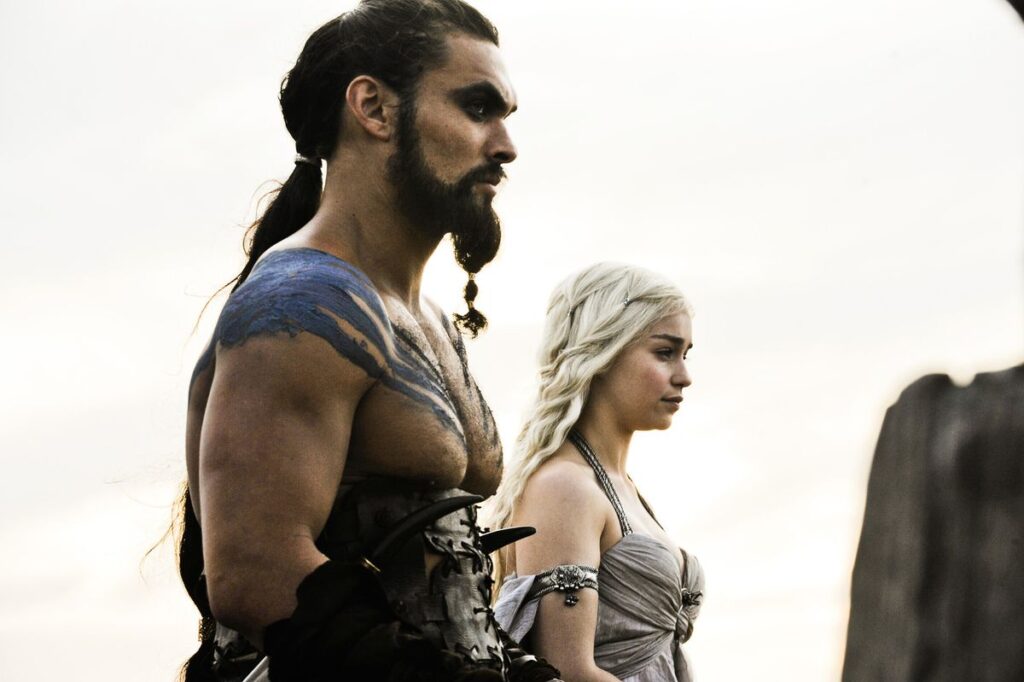
What Game of Thrones Teaches Us About Content Marketing - AddThis

I recently came across an example of this in my first time watching Game of Thrones in their first season between Danaerys Targaryen and Khal Drogo. I found their relationship broadly resembling aspects of Beauty and the Beast. A “beastly” man holds a young girl captive as she sacrifices her freedom to protect the will of a family member. Their initial tumultuous relationship eventually blossoms into one of true love and mutual respect. These recognizable tropes are part of the message encoded by the storytelling to humanize Khal Drogo, empower Daenerys, and depict an endearing connection between an unlikely pairing. The message is supported by the actors’ electrifying on-screen chemistry and performance, which leads to a dominant reading of the material. Therefore, any disturbing scenes, implications, or issues present at the beginning of the relationship do not carry as much weight as the pairing’s “development” beyond those moments. When Danaerys puts Khal Drogo out of his misery at the end of the season, dominant-reading decoders are not only convinced that these two were in love but also feel robbed of more content between these characters on the show.

Instead of crying over the death of an “epic” couple, I spent the season debating on whether it was wrong to diagnose Danaerys with Stockholm Syndrome by falling in love with Khal Drogo despite his abuse of her. I understood the encoder’s message in terms of intention, the direction the relationship was heading, the actors’ work, and their story arc. However, I was not charmed by the relationship because of the horrific foundation it was built on. Through my negotiated reading, I could not overlook the influence of the fictional world’s social norms and how they played a significant role in the relationship. Their society dictates that women must be docile and subservient to their husbands and are exchanged with neighboring kingdoms in exchange for establishing alliances, building a family legacy, or, in this case, procuring an army. Part of this social dynamic is that the women have no choice but to make the best of their situations regardless of their initial displeasure or lack of consent for said exchange.

At the start of the season, Danaerys did not want to marry Khal Drogo but forced to do so because it was the only way for her brother to get an army to reclaim the iron throne. After the trade-off, Khal Drogo raped her on multiple occasions. These scenes of sexual assault communicated an image of helplessness through the acting choices, dialogue, and explicit, negatively charged visuals. To convince him not to rape her again, Danaerys had to use her body to appease Khal Drogo’s sexual desires and present her willingness to lie with him moving forward. That scene marked the beginning of their so-called “development” they receive for the rest of the season. These scenes between them make it impossible for me to take a dominant-hegemonic position on their relationship because of how torturous it was for Danaerys and how one-sided it started. 

Perhaps various readings of this relationship are dependent on what the decoders are most attentive to and viewing preferences that they tend to gravitate to. Maybe the actors’ performances were alluring and appealed to a collective of the dominant readings decoders. Or they enjoy an unlikely pairing turned power couple midway through the season. An oppositional reader may find the power dynamic socially unacceptable and misogynistic. As the negotiated reader, I can acknowledge the triumphs of the storytelling and the performances and disliking the foundation for their love based on the roles of the social norms and pressures that could have influenced her development. Each decoder’s viewing experience will be unique to them in some regard, which will influence their reading of the text. I cannot fathom how people could like pairings that share similar distasteful attributes(I know they’re out there), but thinking about each groupings perspective through encoding and decoding is an interesting mode of interpretation to consider when watching any television.

Categories
Uncategorized

The (frightening) reality of TV

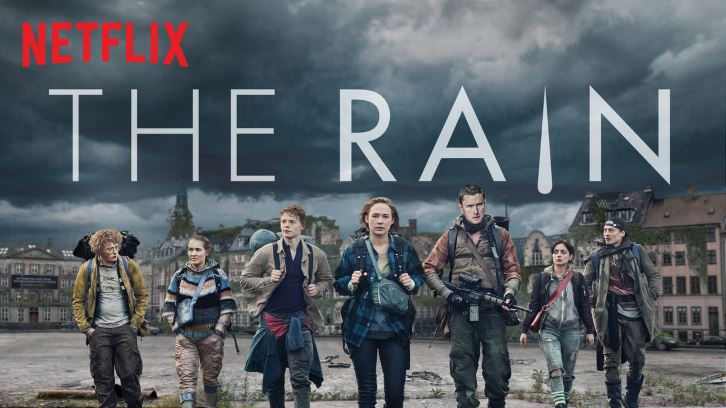
At the time of its release in 2018, the Danish Netflix Original, “The Rain”, was a flop among critics. The primary criticism of the show was that it added nothing new to the dystopian, sci-fi genre. I understand this critique, as the premise of the show is a group of adolescents holding the key to saving the world from a deadly virus that spreads through the rain, but extracting the cure means killing one of their own. This is a frequently overdone conflict, but at the time of the show’s encoding, the writers could have had no idea that the reality in “The Rain” would one day be our future.

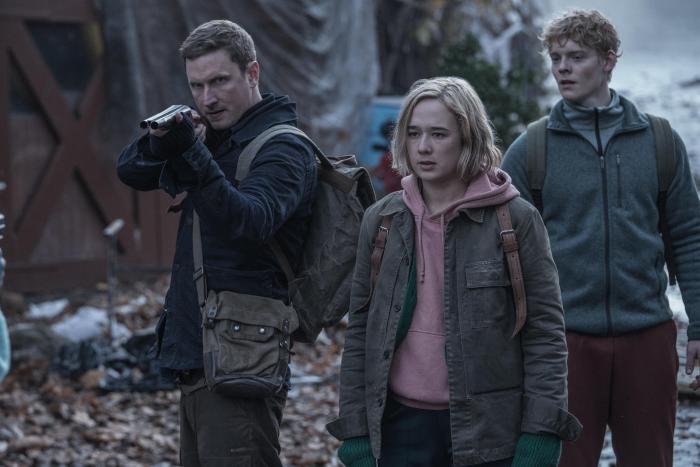
Watching this show amidst a global pandemic, I respectfully disagree with the two year-old articles claiming the show’s blandness. In scenes where government officials wear masks while swabbing people’s mouths for antibodies, I don’t see a poorly developed fictional world, but rather a show that could be the shorthand version of Contagion or, more frighteningly, a nightly news update on COVID-19.

In 2018, these connotations were nonexistent in the decoding of the show, unlike their undeniable presence during my own decoding today. Therefore, it is understandable that the messages understood by viewers were more mainstream. The dominant 2018 reading of “The Rain” is maintaining personal morals at the expense of others. The protagonist, Simone, expresses this reading as she prevents her friends from killing those chasing them, and refuses to turn in her brother, Rasmus, even though he holds the cure. As Simone develops in Season 2, she also portrays the negotiated reading of this text: at what point does survival overtake your personal beliefs? Despite her high moral ground, Simone shoots and, ultimately, kills someone in a panicked moment of protecting her brother.

Finally, the oppositional reading would be to simply sacrifice Rasmus, an individual, for the good of humanity. If this was the intended dominant reading, the encoding stage would have looked very different. The characters would’ve been developed in an entirely new framework, in which their morals were substituted with cold, heartless exteriors.

Watching this show with 2021 eyes is honestly difficult. After the first 15 minutes of Season 1, Episode 1, I wasn’t sure I would be able to keep watching the show. After a few days, however, I found myself drawn back to the show. I wasn’t sure why, at first, because I’ve been finding relief from the pandemic in lighthearted sitcoms, recently. I realize now, though, that I don’t know when the COVID-19 pandemic will come to an end or what that end will look like, but, with “The Rain”, I know that there will undoubtedly be a resolution.

Categories
Uncategorized

The Flow of Netflix

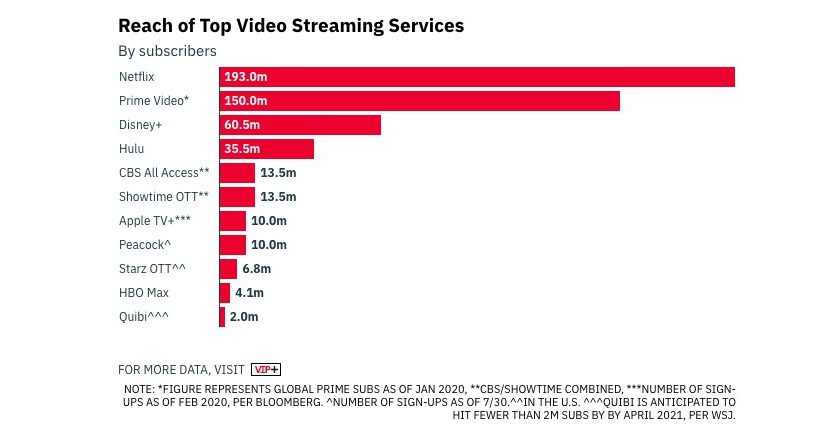
Netflix is arguably the most popular streaming service of all time. Fans are drawn to the service’s commercial-free experience of easily accessible movies and television. While other streaming services like Hulu, HBO, and Disney+ have also found huge success with their platforms, Netflix still remains number one.

Netflix, like many other cable television channels, has a calculated flow to keep viewers hooked to the platform. First, let’s look at the design of the app. When you click on your avatar and enter into Netflix, the first and biggest thing you see is a newly released movie and TV show that Netflix wants you to watch. The trailer for the show or movie also plays after only ONE second of being on the screen. It can be irritating having something play for you without consent, but sometimes if the trailer looks interesting enough, I will continue watching. Also, if I went on Netflix with no prior intention for what to watch, I might even click to watch that show or movie. Netflix makes the content large and bold and plays the trailer to make the viewer inclined to watch it because it’s the first thing they see, so it’s the easiest choice for them. They do not need to overthink it. The content will repeatedly show up at the top of the screen for days or in other categories like “Popular on Netflix” or “Top 10 in the U.S. Today,” so you feel even more inclined to watch it since Netflix keeps recommending it and people seem to enjoy it. For example, I had no intention of ever watching “Ginny and Georgia,” but it was the first thing I saw every time I went on to Netflix, I saw the show in the “Top 10 in the U.S. Today” and was curious why it was popular, and the show made its way into every category on the app (it was in the obvious category “Netflix Originals,” but in less obvious categories like “Because You Watched ‘Glee'”). Eventually, I broke down and finally watched “Ginny and Georgia.”

Netflix uses repetition of showing content on the website, immediate trailer viewing, and categorizing content to make the viewer believe the show is perfect for them in order to keep subscribers hooked onto the platform. While viewers may believe they are in control and picking what they want to watch, they are not, Netflix is slowly brainwashing the viewer into watching what they need to be popularized. Trashy shows like “Ginny and Georgia” need more of a boost to get people to watch them unlike critically acclaimed shows like “Breaking Bad.” I mean, how did “Ginny and Georgia” get a season 2? Overall, Netflix’s flow strategy can essentially make anything popular.

Categories
Uncategorized

Repetition Wins The Game

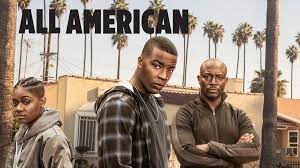
During this pandemic season, we have found ourselves watching more TV than usual (or openly admitting the amount because we have a valid excuse now). This means it is time for companies and businesses to ramp up their ad game. After studying the flow of a sports drama called All American on the CW app, I’ve noticed that the marketing strategies are skillfully cunning.

The CW's 'All American' is one of the best things that happened to me  during quarantine: Review

To begin, I just want to emphasize the fact that I do not watch much television. I am more of a movie person, so I would prefer a streaming platform such as Netflix where ads do not exist. However, the CW app dropped the 3rd season of All American and informed the viewers that it will not be dropping on any other subscription-based streaming platforms until a year after the release. Now that I am thinking about it– that was a smart move. That forces the hooked fans (like me) to find any way that they can watch it. (Even if that means downloading a VPN while you are out of the country).The only choice left is to switch to TV networks like CW that are filled with ads every second.

One thing that I noticed is that commercial breaks will come at a part in the show where things are getting heated. The smart part about it is that there is no option to “pay” to skip the ads–You just have to sit through them. It is also orchestrated to where the ads aren’t long enough to where one can leave the screen to do a quick errand. The commercials will be about 15 seconds long and because we are hooked from the last part of the scene that was cut off, we have no other choice but to wait so we do not miss anything. These ads aren’t just random ones either, there are usually the SAME ONES.

I have never noticed that they tend to replay the same commercials until I actually took note of it. And if there is one thing that I learn in my PYSC 110 class is that repetition is key. Another thing that I observed was that the ads are things that I have been talking about with someone, something I have been researching, or a product that I use often. Let’s start in reverse order. Everybody needs laundry detergent to wash their clothes. I literally go to the store and pick up any brand just as long as it smells good. But what I noticed is that I often gravitate toward a brand I have seen often. Secondly, I have checked for some hotels recently when planning a trip and noticed that a hotel booking company ad popped up. Lastly, I was talking about going to the skating rink with my friend, and all of a sudden we saw a skating rink ad.

Furthermore, at times I am not conscious of what I am intaking during the commercial breaks. I have caught myself craving a particular burger from a franchise that I have sworn off years ago. In all honesty, I know that there are toothpicks in between the buns to hold that burger up and make it look fluffy and thick and good. But the truth is ….. I GIVE IN….EVERYTIME! (well most of the time). I am always disappointed when I unwrap my flattened funky burger that doesn’t taste fresh as I imagined while looking at the deceitful pictures. But I am sad to say that it gets me every single time.

Brian Cox waxes poetic about the Quarter Pounder in Wieden & Kennedy New  York's first McDonald's ads | Ad Age

So, to wrap it all up, it goes to say that ads are a way to sell a product when on a TV platform that most viewers are on. I admire their marketing strategies and I will say that they still might even trick me even now that I am catching on to their plans. 🥴

Categories
Uncategorized

The ethics of aesthetics in the teen drama Euphoria

Euphoria caused quite the splash when it premiered on HBO in the Summer of 2019 with its brash, explicit, and sometimes violent depiction of modern American teenagehood. The first season of the show follows a seventeen-year-old girl, Rue Bennett (Zendaya Coleman), as well as several of her peers as they navigate sex, drugs, mental illness, and the internet at their high school in a Los Angeles suburb.

The show has been praised for how accurately it depicts the lives of 21st-century teens, and how the show is unafraid to tackles issues that have previously been seen as taboo, such as drug use, mental illness, sexual relationships, and struggles with gender and sexuality. However, it has also been criticized by older viewers for presenting extremely graphic content to a potentially young audience, and perhaps even glorifying it. The aesthetics of the show certainly come into play here; the cinematography and use of color are visually delightful, and the teenage characters are all beautiful, well-dressed, and uniquely styled, oftentimes outfitted in eye-catching makeup looks that have inspired a great deal of YouTube and TikTok “Euphoria Makeup Turorial” videos. Although this show does not shy away from showing the dark side of these lifestyles, it could certainly be said that presenting problematic behaviors being done by cool, attractive, likable characters, with visually pleasing cinematography is essentially romanticizing harmful and unsafe behaviors.

The question of audience becomes very important here; certainly, an adult audience should be able to engage with this kind of media and not assume that the mental illness, drug use, sexual activity with strangers online, abusive relationships, etc. portrayed on the show are glamorous or enviable. In fact, they might think the exact opposite. A dominant reading of this show from an adult audience might be highly critical of the teen characters and the choices they make.

In some ways, the show does appear to be geared towards older audiences. It is on HBO, which typically does feature a lot of explicit content, and it is rated TV-MA. However, children and teens certainly do watch the show as well, and their interpretations are bound to be different than a more mature audience. Television theorist Misha Kavka stated that television viewers are aware of the fact that there are differences between the world of television and the real world, but that it is important to observe the value judgments people make when they go about differentiating them. When looking at Euphoria, the ability to differentiate between tv and reality is certainly different amongst older and younger audiences. Older viewers might easily be able to tell that this world being portrayed is not the same as the real world; using drugs is not usually accompanied by copious amounts of glitter and pretty lights. However, younger viewers might not be able to differentiate between the world of television and the real world as well, and might have a much different, more naive interpretation of the events of the show. Although it can be said that the show is intended for a more mature audience given the network and rating, it seems that younger audiences are more drawn to the show due to the closer proximity to the ages of the characters, and are less likely to be wary of the contents of the show.

All of that being said, Euphoria does portray experiences that resonate with a large number of teens and brings attention to issues that high schoolers face that are not often discussed in mainstream television. The skillful crafting of the shows aesthetic makes it a real artistic standout, while at the same time, perhaps complicating methods of decoding and making it difficult to discern the difference between the world of television and the world of reality. In the end, it leaves behind a plethora of questions about intent, craft, intended audience versus actual audience, and romanticization versus depicting the harsh truths of growing up. Regardless of your opinion, the discourse the show allows for shows that it is an important addition to the discussion of modern television.

Categories
Uncategorized

Calculated Flow

In the streaming era, we have been given the ability to watch an entire season of a TV series in one sitting, with an uninterrupted flow. We can pick exactly what we want to watch, no matter how niche our taste is. And even if we do encounter an occasional ad, these ads will be personalized and curated for exactly what we want (and even what we don’t know we want). This regulation of this flow that we experience was not always so personalized though, and if you choose to dust off your TV and find your old cable adapter, you can experience the more rigid and calculated flow that is… CABLE TELEVISION (ominous music playing). Whether it’s a TV show, an advertisement, or the news, every second of cable television is curated for a target demographic. These target demographics vary depending on the time, the day of the week, the channel, and other analytics that the TV company receives.

For example, if you turn on CBS at 2:00 PM on a Monday you might catch an episode of The Ellen Show and see ads for Northwestern Mutual or some medication (generally targeted towards an older demographic).

But if you turned on the same channel at 2:00 PM on a Sunday, you would probably tune in to the middle of an NFL football game and see ads for a Ford F-150 or Lowes (generally targeted towards middle aged men). 

Growing up, this television flow was a crucial part of how I enjoyed media. The ads that I would watch on Adult Swim late at night were almost as funny as the actual shows. And I didn’t really care what episode of South Park I watched, as long as they showed me one. But now the responsibility is completely on us. We can watch whatever we want, wherever we want, and whenever we want. Ads are almost unbearable now, even seeing a 15 second ad at the beginning of a youtube video will make me go download an adblocker. Even when I do encounter an ad, I can just tune out and go on my phone, which in turn becomes a part of my flow.

Generally, I think that this individual autonomous flow is a good thing because it allows us to pick exactly the type of flow that we want to experience at any given moment; especially those who have more niche interests that don’t necessarily fit into the “dominant” demographic targeted by TV companies. But with this freedom comes a challenge: people are very bad at making choices for themselves. Thankfully our algorithms know us well and will direct us to the new hit Netflix show at the click of a button. As the years go by, it will be interesting to see how much more personalized our flow gets and how it affects our relationship with media.

Categories
Prompts and Encouragement

A Few Prompts to Get You Started Blogging

Here are three suggestions for ways to employ the analytics and terms of the first few readings to examine television that you are particularly compelled or fascinated by (or openly detest, for that matter) and feel the itch to blog about to your peers. What TV has been on your mind since you viewed it?
Consider using any of these prompts if you feel stuck:

  1. Describe potential dominant, negotiated, and oppositional readings of this TV text (or a small portion of it). How and why do you imagine these varying readings might differ? What might considering a scene or episode or character arc from different angles help us understand about how this text functions, circulates, and the various interpretations it potentially invokes?
  2. Briefly analyse the aesthetics of a TV text. Now explore the text’s ideological content. How do these two–form and content–work together? When and how might they work at odds? How do the aesthetics, the use or bending of genre conventions, and the narrative structure shape and inflect the text’s prevailing (if perhaps sometimes conflicting) messages? How might an ideological analysis of this text cause us to reevaluate the work of the text’s form?
  3. Choose a short segment of your flow notes to analyse in more depth. How in comparing the parts of this segment of flow (which might include advertisements, appeals, network branding, news items, and other interstitials or layers of graphic content as well as the dramatic/comedic/reality/etc. content) do you understand the larger mediated experience constructed for television consumers differently than if you just focused on analyzing a discrete television text in isolation?

You are also welcome to simply find one striking concept or quote from one of the readings and use it to better think through the TV you want to write about, or use this as a venue to profoundly disagree with the perspective and provide us with TV evidence of how it’s not applicable across the board.

In general: Write blog posts that you would click on and read all the way through if you saw them linked on social media. Write about TV that gets you curious, while stretching your critical muscles and keeping it relevant to the class!

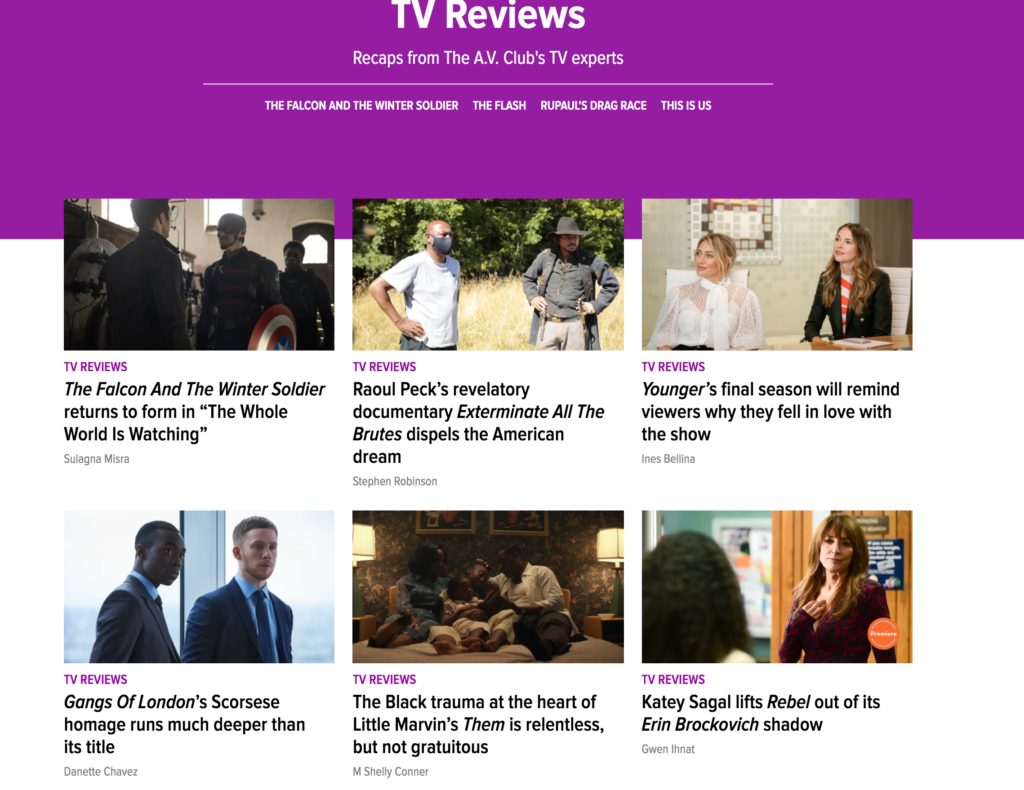
Here’s an example of one online platform for pop cultural criticism, if you want to get a sense of the rhetorical style common to this medium: https://www.avclub.com/

And here, by the way, is how to make a link. Hover over the content you want to link and click the link button shown below:

Happy blogging!

Categories
How To

Welcome!

Welcome to WordPress. If this is your first time making a WordPress site, try checking out Getting Started with WordPress to orient yourself.

To start editing, visit your dashboard. You should have received an email (be sure to check your Spam folder) with your username and a link to set your password.

css.php